Liquidity Explained: How Fast Is Your Money?
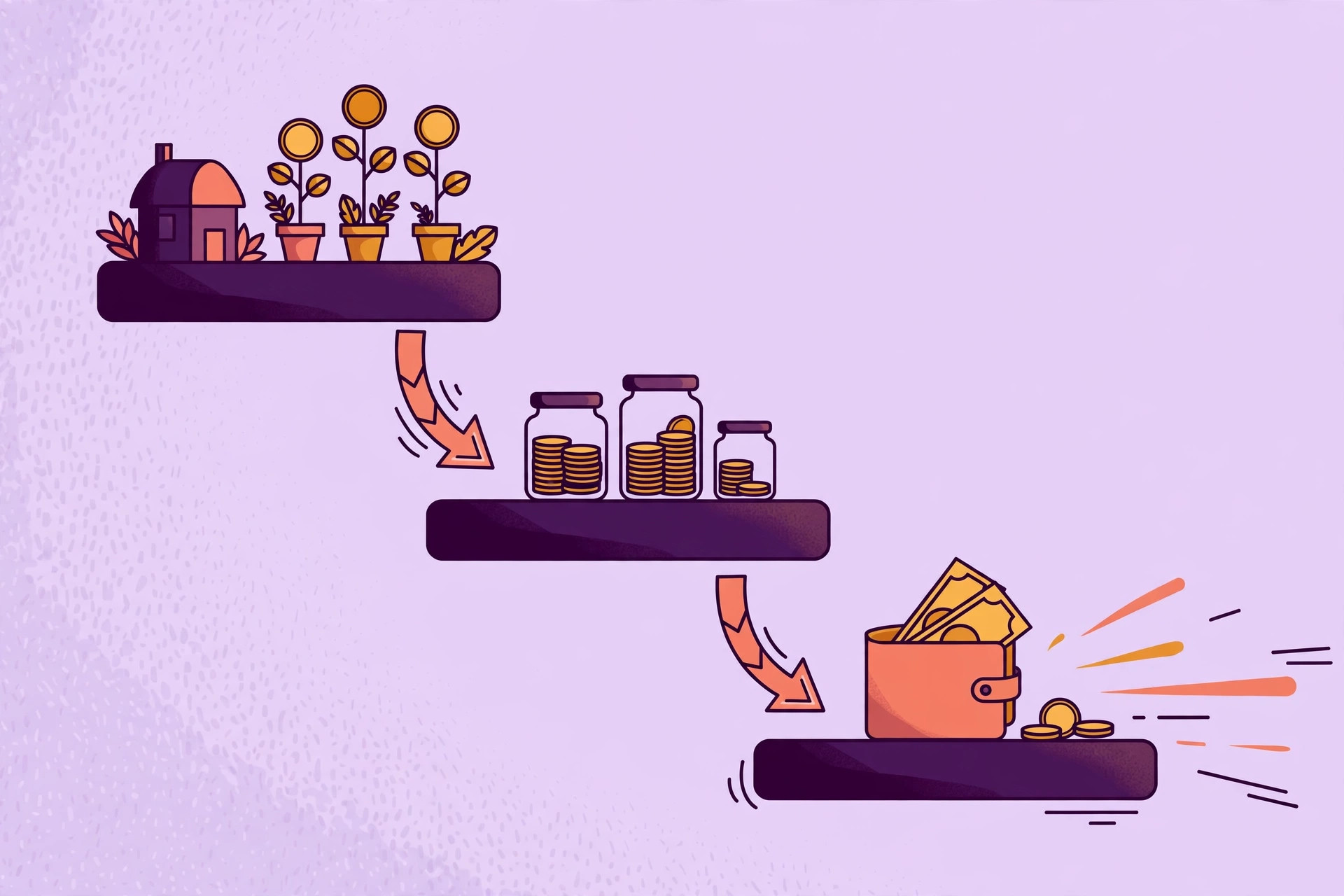
How fast can it be money
An asset is liquid if it can be turned into cash quickly, at a predictable value. Cash itself is perfectly liquid. An easy access savings account is nearly so. A house is deeply illiquid: selling takes months, costs thousands, and cannot be done in slices when you need only a little. Shares sit in between: sellable in minutes on a market day, but at whatever price the day offers, which may be far below last month. Liquidity is therefore two questions, not one: how fast, and at what certainty of value. An investment can be fast and uncertain, like shares, or slow and certain, like a term deposit held to its end.
Why it deserves a line in every plan
Emergencies do not check your portfolio before arriving, and illiquid wealth cannot pay a plumber. This is the entire reason the emergency fund lives in instant access cash despite its poor return: its job is to be there, not to grow. Beyond emergencies, life has a rhythm of known dates, deposits, tax bills, school fees, and money matched to those dates should grow more liquid as the date approaches. The classic mistake is a household that is wealthy on paper and desperate in practice, rich in property and pensions it cannot touch, borrowing on cards at 24 percent to fix a boiler. Liquidity is what stops wealth from being theoretical.
Building a simple liquidity ladder
Think of your money in three rungs. The first rung is instant: the emergency fund and this month spending, in cash and easy access savings. The second is soon: money for goals within about five years, in safe savings and short term products where the value cannot fall far. The third is later: long term money in investments that fluctuate, where time heals the wobbles and growth can beat inflation. Money should generally move down the ladder as its spending date approaches, from investments to savings to cash. Our guides on emergency funds and money market accounts fill in the first two rungs; the ladder itself is the idea to keep, because almost every liquidity crisis is a rung mistake, money parked one rung too high for its date.