Pension Drawdown Explained
Income from a pot that stays invested
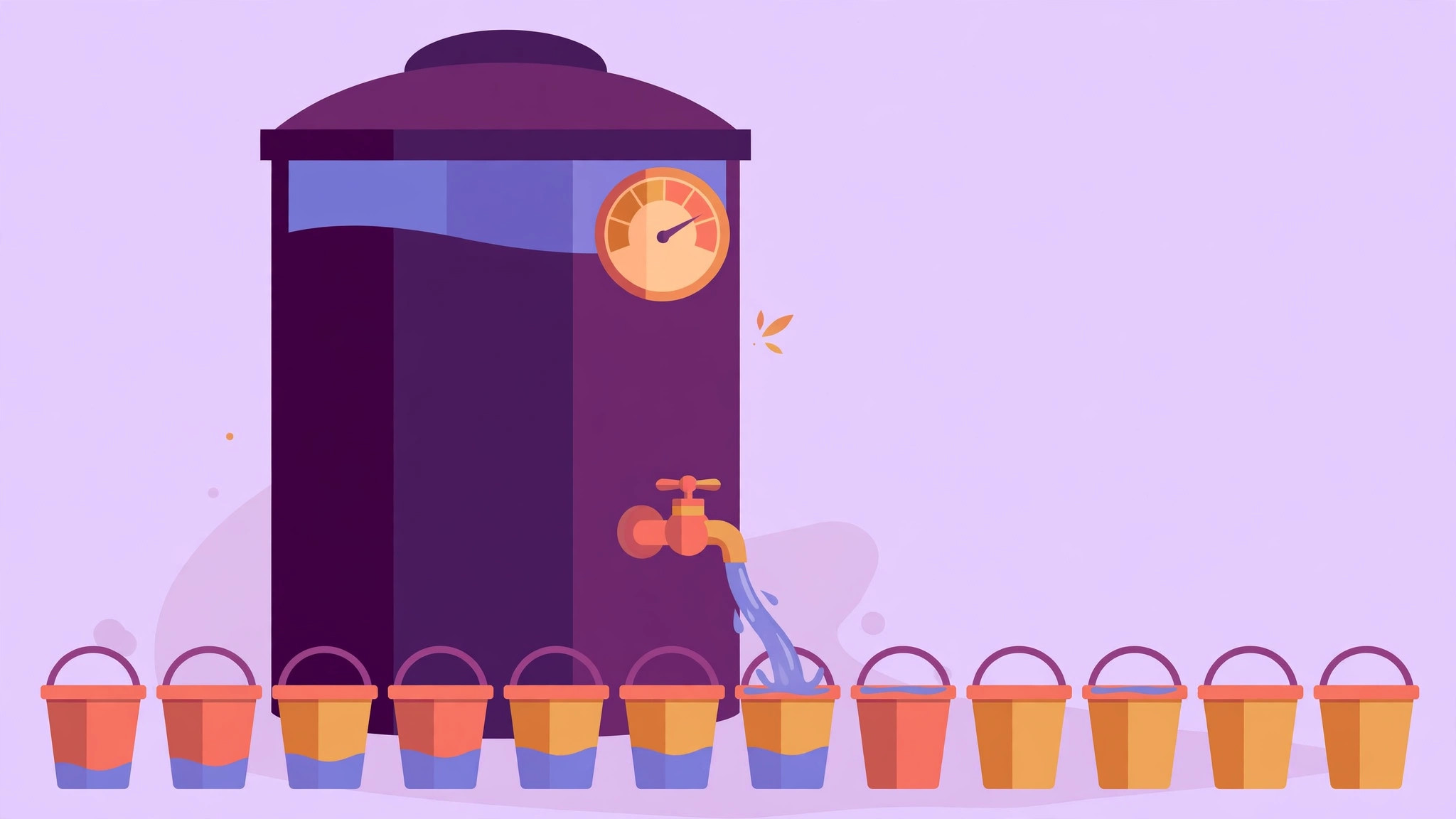
Pension drawdown means your retirement pot remains invested and you withdraw income from it as you go, rather than swapping it for an annuity guaranteed income. The freedom is real: you choose how much to take and when, the pot can keep growing, and anything left can pass to your family under the rules of your system. So is the responsibility: the income lasts exactly as long as the pot does, and the pot now depends on your withdrawal rate and on markets behaving themselves. Drawdown is not a product so much as a driving style, and it rewards drivers who watch the road.
The risks that actually matter
The deepest risk is sequence risk: heavy falls in the first years of retirement, while withdrawals continue, can wound a pot so badly that later recovery cannot save it, because money taken out during a fall never gets to recover. Longevity is the second risk: a pot planned to age 85 that is needed at 95 runs out at the worst time. Inflation is the third, quietly raising the withdrawal you need each year. None of these argue against drawdown; they argue for humility in the withdrawal rate. Our drawdown calculator shows how long a pot lasts at any yearly withdrawal, and running it at a lower growth rate than you hope for is the simplest honesty test there is.
Guardrails that work
Common practice sets a withdrawal rate, reviews it yearly against the pot size, and trims spending after bad market years rather than after good ones. Keeping one to two years of planned withdrawals in cash inside or beside the pot means a market fall does not force you to sell investments at the bottom to pay the grocery bill. Some retirees annuitise the essentials later in life, when annuity rates are kinder, and draw down the rest. The pattern underneath every version is the same: the plan must bend so the pot does not break. For pots of any size, regulated advice at the start of drawdown is money well spent, because early mistakes compound for decades.