Saving for Big Purchases Instead of Borrowing
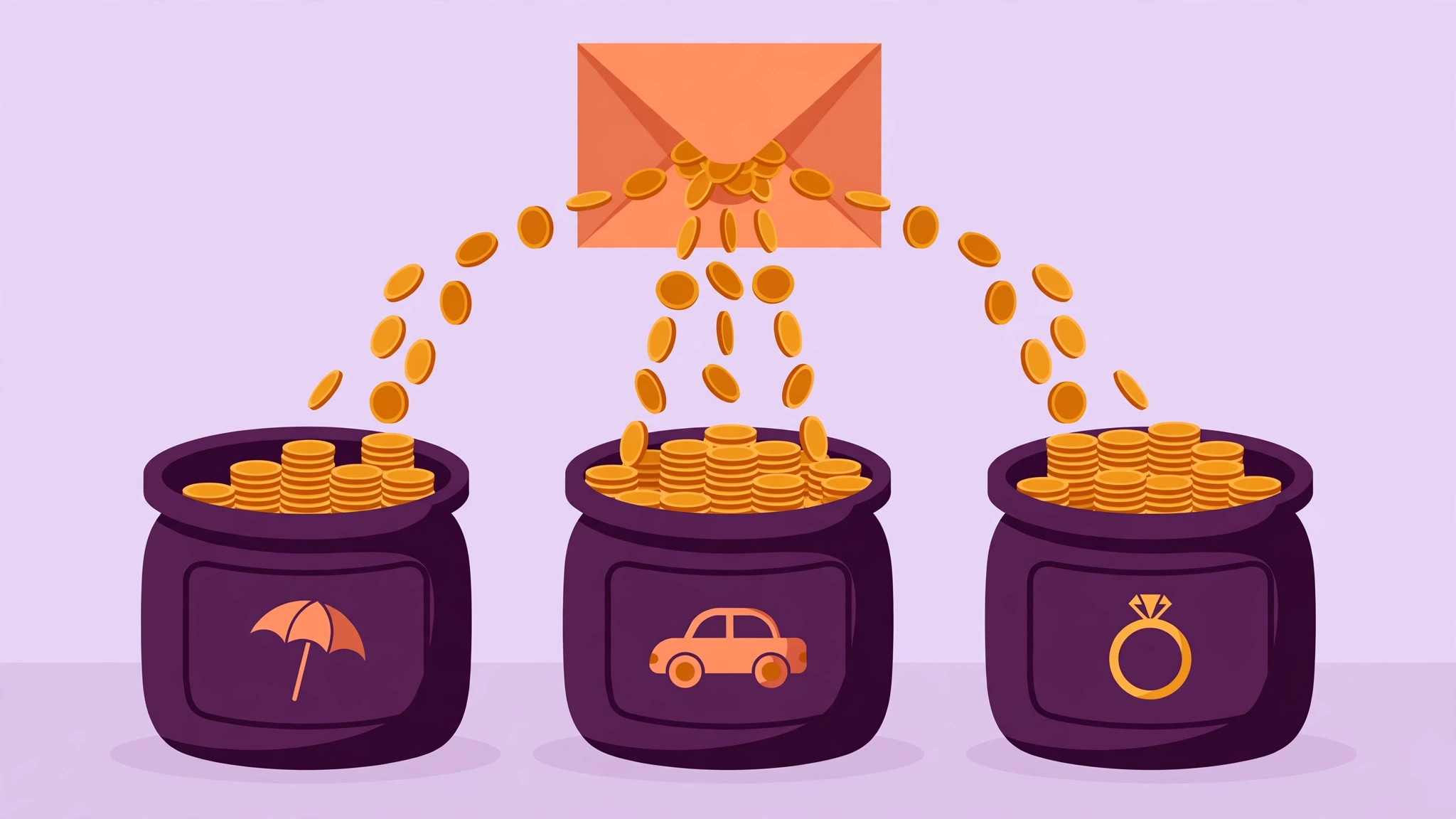
The purchase is coming; choose how to pay for it
Big irregular spending is not a surprise, even when its date is. Cars need replacing, holidays get booked, roofs and boilers age on schedule. There are only two ways to pay: save beforehand and earn a little interest on the way, or borrow afterwards and pay a lot of interest on the way back. A 2,000 holiday put on a card at 24 percent APR and cleared at 60 a month takes about 44 months and costs roughly 620 in interest, turning a 2,000 trip into a 2,620 one, paid for long after the tan fades. The same 2,000 saved at about 167 a month for a year costs exactly 2,000, and earns a small amount of interest as a tip.
Sinking funds: one pot per purpose
The practical tool is the sinking fund: a named savings pot for one known future cost, fed monthly by the price divided by the months remaining. A car replacement fund, a holiday fund, an annual bills fund for insurance and tax that arrive once a year and ambush the unprepared. Separate pots, or one account with a written split, stop the money being quietly spent on ordinary life, because it already has an owner and a date. Our savings goal calculator turns any target and date into the monthly figure; run it once per pot and set the transfers for payday, beside the rent and the pension, where serious money lives.
When borrowing still makes sense
Saving first is the default, not a religion. A boiler that dies in January is an emergency, and the emergency fund exists precisely so it is not a card balance. A genuinely interest free offer, repaid inside the free period with payments you have already proven you can make, can be rational, though it is a discipline test many fail at month thirteen. The question to ask of any exception is whether the purchase would still look wise at its true total cost, interest included. Our loan calculator prints that total for any deal in seconds. If the answer is yes with the real number on the table, it is a decision. If the number changes your mind, it was a near miss.