Secured vs Unsecured Loans
The security is the point
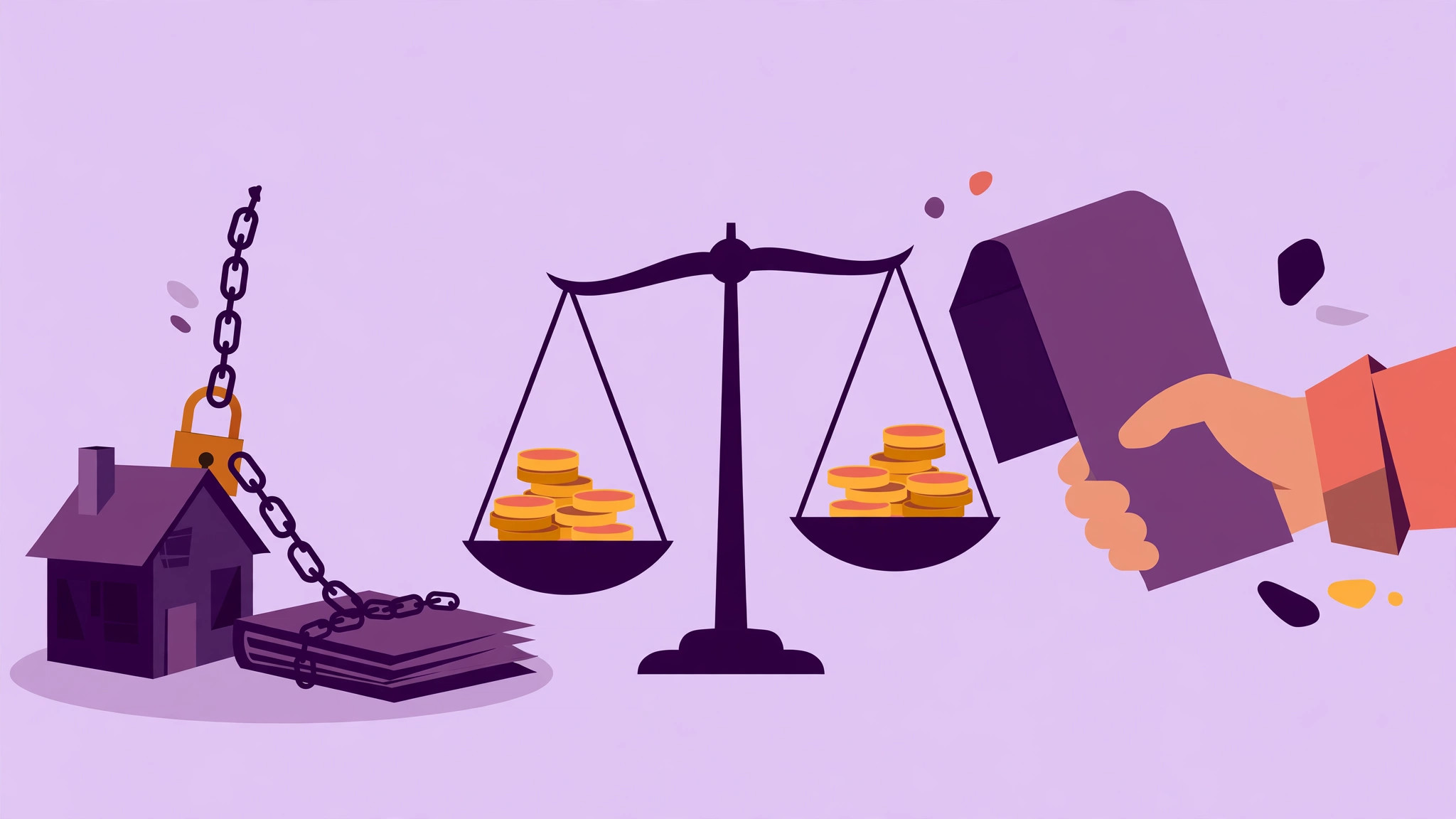
A secured loan is tied to an asset, called collateral: a home behind a mortgage, a car behind an auto loan. If payments stop, the lender can take and sell that asset to recover the debt. An unsecured loan, most personal loans and credit cards, has no asset attached. The lender is relying on your income, your record and, ultimately, the courts. That single difference explains almost everything else about how the two kinds of borrowing behave, from the rates offered to the paperwork demanded.
Why secured usually costs less
Because the lender risk is lower, secured borrowing usually carries lower rates and allows larger amounts and longer terms. A mortgage rate is a fraction of a credit card rate largely because the house stands behind it. The flip side is yours: the risk has not vanished, it has moved to you. Falling behind on a secured loan can cost you the home or the car, not just a mark on a credit file. Unsecured debt is more expensive and usually smaller, but the lender cannot simply take your possessions; the consequences run through credit records, collections and court processes instead.
Choosing with your eyes open
Secured borrowing makes sense for large, long lasting purchases, above all a home, where the asset is the point of the loan. It is dangerous for everyday spending: putting a home behind a loan taken for a holiday or to clear card balances converts unsecured, survivable debt into debt that can take the roof with it. That particular move, consolidating cards into a secured loan, only works if the cards stay at zero afterwards. Compare any loan on its total cost with our loan calculator, and read the security clause of the agreement as carefully as the rate, because it decides what you stand to lose. A final distinction matters at the paperwork stage: some loans are secured on a specific named asset, while others, like some home equity products, are secured on the property generally, and a few business loans ask directors for personal guarantees that reach beyond the company into the home. The word secured is doing heavy work in each case, and the only safe approach is to ask, in plain terms, what exactly can be taken, and under what conditions, before signing. If the answer is vague, that is an answer too.