What Is an EMI (Monthly Loan Payment)?
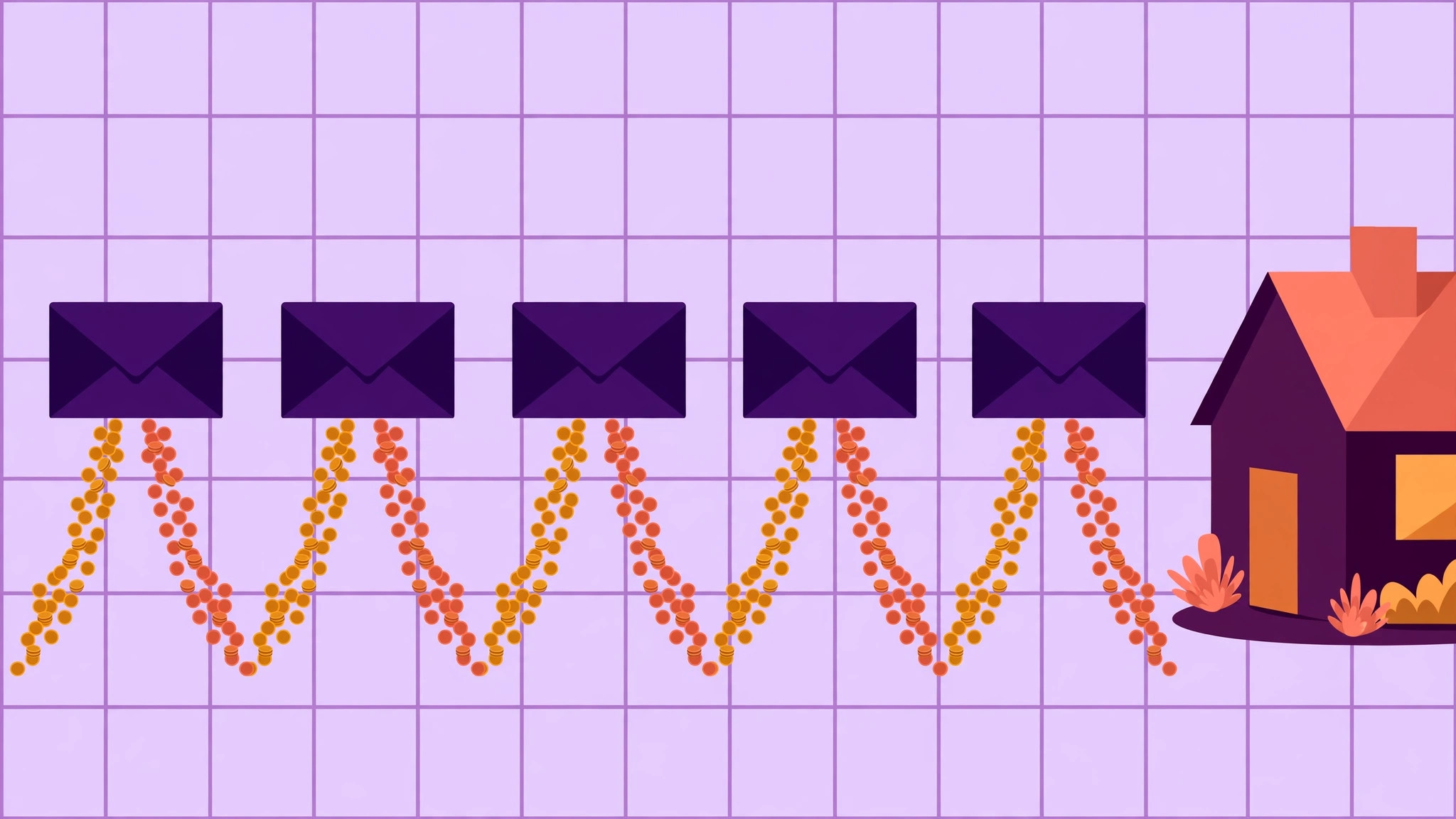
One payment, two jobs
EMI stands for equated monthly installment, the fixed amount paid each month on a loan in many countries. Elsewhere the same thing is simply called the monthly payment. Whatever the name, it does two jobs at once: it pays the interest charged that month, and it repays part of the amount borrowed. Because the payment is fixed from the first month to the last, budgeting around it is simple. The loan is designed so that if every payment arrives on time, the balance reaches exactly zero with the final one.
How the amount is calculated
The EMI is not the loan divided by the number of months, because interest has to fit inside it too. Lenders use a standard formula that spreads the debt evenly while charging interest on the shrinking balance. Three inputs set the result: the amount borrowed, the yearly rate divided by twelve for the monthly rate, and the number of payments. Borrow more, and the EMI rises in proportion. Raise the rate, and it rises again. Lengthen the term, and the EMI falls, though as the loan interest guide explains, the total paid over the whole loan rises.
Where you will meet the term
The EMI label appears most often on loans from banks in India and across Asia, and on international lending pages, but the maths is universal. Mortgages, car loans and personal loans in every country are built the same way, whether or not the paperwork uses the term. When a lender quotes an EMI, ask for the two figures behind it: the total of all payments and the total interest. A low EMI can hide a long, expensive loan. Our loan calculator shows the payment, the total repaid and the interest for any combination you type in, which makes offers easy to compare side by side. One last habit is worth building around any EMI: check the amortisation schedule the lender provides, at least once, in the first year. It shows every payment split between interest and principal across the whole term, and it turns an abstract monthly figure into a visible journey toward zero. If the interest column looks heavier than you expected, that is the moment to ask about overpayments or a shorter term, while changing course is still cheap and the balance is still young.